
When someone goes missing, every hour matters. Alongside reporting the disappearance to the police, families and communities often create missing person posters to spread the word quickly. A clear poster with a recent photo, an accurate description and a reliable contact number can help members of the public recognize the person and pass on information that may help find them safely.
This page provides free editable missing person poster templates in Microsoft Word, including several poster layouts and a missing person flyer with a reward section. Preview the designs, download the template that suits your needs and follow our guidance on creating and sharing a missing person poster responsibly.
Download free missing person poster templates
Download Free Missing Poster Templates:


Online Missing Person Poster

Missing Person Poster Maker

Missing Person Poster Sample
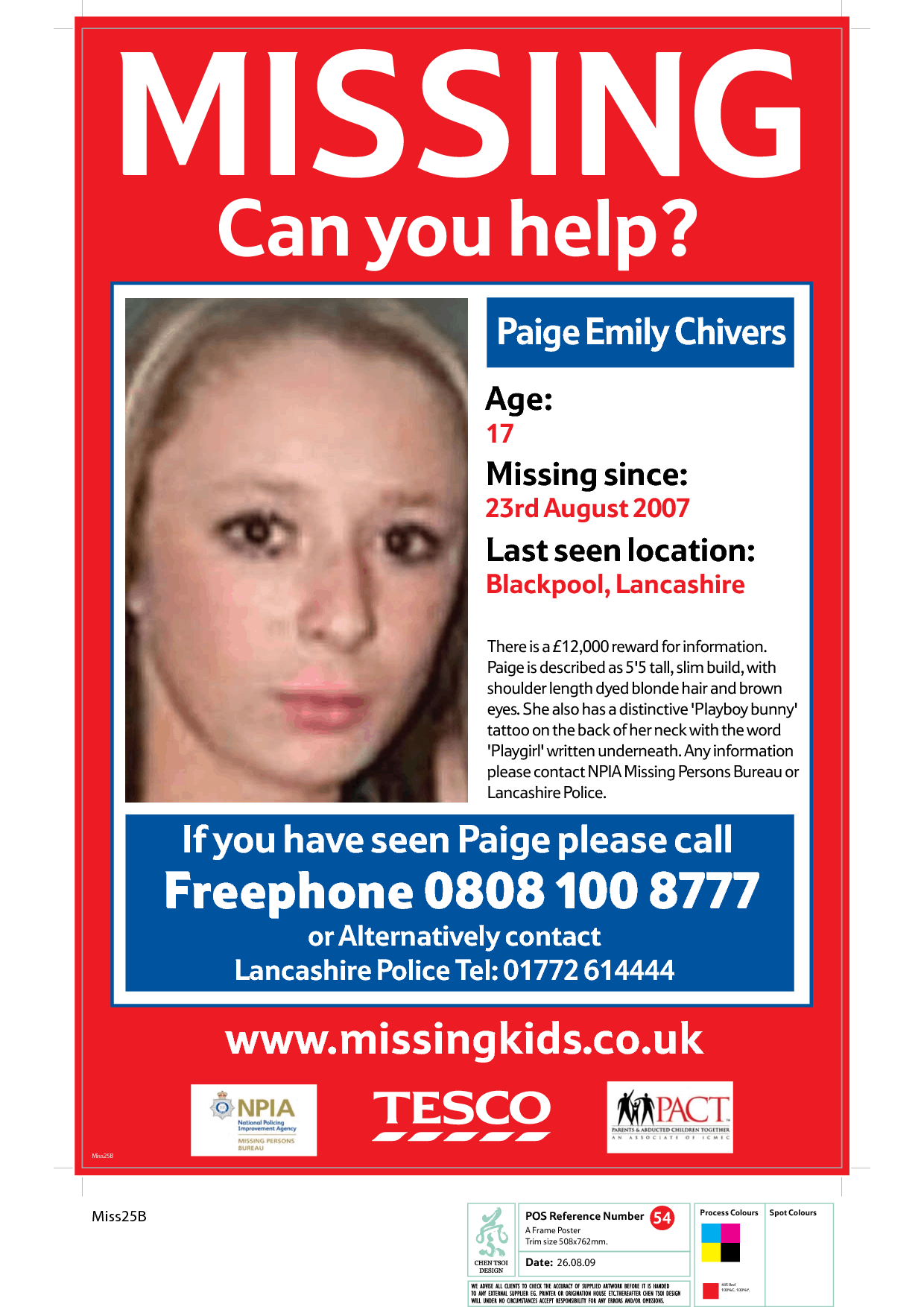
Missing Person Poster With All Details

Example of Missing Person Poster

Missing Person Poster With Contact Details

Missing Person Poster Printable

Missing Person Poster Sample

Editable Missing Person Poster

Four downloads are ZIP files, each containing an editable Word poster (three DOCX files and one DOC file). The reward flyer is a Word DOC file you can open directly. All templates work in Microsoft Word, Google Docs and LibreOffice Writer.
First steps when someone is missing
If you believe someone is missing, contact the police immediately. There is no need to wait 24 hours to report a missing person, especially for children, elderly or vulnerable people or anyone at risk. Provide the police with a recent photo, a description, details of where and when the person was last seen and any medical needs. Ask the police whether they recommend publishing a poster and which contact number should appear on it. Coordinating with the police and family prevents conflicting information and makes sure tips go to the right place.
What to include on a missing person poster
- The word MISSING in large, bold letters at the top.
- A recent, clear, front-facing photo of the person.
- Full name and any nickname they use.
- Age or date of birth.
- Height, build, hair colour and eye colour.
- Distinguishing features such as glasses, scars, tattoos or birthmarks.
- Clothing last worn, including colours and brands.
- Date, time and exact location the person was last seen.
- Medical conditions or vulnerabilities, if the family and police agree to share them.
- Vehicle details, if relevant.
- Police case or reference number.
- Contact information: police non-emergency number, case officer or a dedicated family number.
- Reward information, only if agreed with the family and police.
How to create a missing person poster step by step
- Choose a template from this page and open it in Word.
- Insert a recent, high-quality photo by selecting the image placeholder and choosing Change Picture.
- Enter the person's name, age and physical description.
- Add the date, time and place they were last seen and what they were wearing.
- Include the police reference number and the agreed contact number.
- Add any additional photos, such as a full-length image or a picture of the clothing or vehicle.
- Proofread every detail and ask a family member to confirm accuracy.
- Print copies in colour and save a PDF and image version for online sharing.
- Distribute posters in the area where the person was last seen and places they often visit.
- Update or remove posters as soon as the situation changes.
Where to display missing person posters
- Near the place the person was last seen.
- Shops, petrol stations, cafes and restaurants in the area.
- Bus stops, train stations and transport hubs, with permission.
- Community centres, libraries, places of worship and schools.
- Hospitals, clinics and shelters.
- Workplaces, colleges and clubs the person attends.
- Car windows and noticeboards.
- Social media, community groups and local news websites.
Sharing posters online
Social media can spread a missing person appeal to thousands of people within hours. Export the poster as an image or PDF and share it on Facebook, Instagram, X, WhatsApp and local community groups. Include a short text summary with the key details and the official contact number, and ask people to share rather than comment with speculation. Encourage people to contact the police directly with information instead of messaging the family. When the person is found, post an update quickly and ask people to delete or stop sharing the appeal to protect the person's privacy.
Tips for an effective poster
- Use the clearest, most recent photo available.
- Keep text short and easy to read from a distance.
- Use high contrast, such as black text on white with a red MISSING heading.
- Put the most important information, the photo and contact number, in the largest sizes.
- Avoid including your home address or private details that could put the family at risk.
- Use a dedicated phone number or police line rather than a personal mobile if possible.
- Laminate posters for outdoor display.
- Date the poster so people know how recent the appeal is.
Offering a reward
Some families choose to offer a reward for information leading to the person's safe return. The reward flyer template includes a section for this. If you offer a reward, discuss it with the police first, state the amount clearly and specify that the reward is for information leading to the person's safe return. Be cautious of scams: people sometimes claim to have information in order to obtain money. Ask the police to handle all tips and never send money in advance.
Missing pet posters
These templates can also be adapted for missing pets. Replace the person's details with the pet's name, breed, colour, size, collar and microchip information, the date and location it was last seen and your contact number. Post posters near where the pet went missing, at local vets, animal shelters and pet shops, and share the poster in local lost-and-found pet groups online. Pet posters do not require police involvement, but you should contact local shelters and microchip registries.
Safety and privacy considerations
A missing person poster shares personal information publicly, so think carefully about what to include. Medical or personal details should only be shared if they help identify the person or protect them and if the family and police agree. Avoid publishing details that could put the person at risk, for example if they may be fleeing an unsafe situation. Remove posters and online appeals when the person is found, as continued circulation can affect their privacy and wellbeing.
Working with volunteers
Friends, neighbours and community groups often want to help. Give volunteers clear instructions about where to put posters, which areas to cover and what information to share. Keep a list of locations where posters have been placed so they can be updated or removed later. Ask volunteers to pass any information directly to the police and not to search dangerous areas alone. A coordinated, calm community response is far more effective than many uncoordinated efforts.
Choosing the right template
The templates on this page offer different layouts for different situations. Single-photo posters work well when you have one clear recent photo and want a bold, simple appeal. Layouts with more text space suit cases where clothing, vehicle or medical details are important. The reward flyer includes a highlighted section for reward information. Whichever design you choose, make sure the photo and contact number are the most prominent elements, and keep the overall poster uncluttered so passers-by can absorb the key facts in a few seconds.
Printing missing person posters
- Print in colour so the photo is as recognizable as possible.
- Use A4 or letter size for noticeboards and A3 for windows and high-traffic locations.
- Print smaller flyer versions to hand out door to door.
- Use weather-resistant paper or lamination for outdoor posters.
- Secure posters with tape or cable ties without damaging property, and always ask permission first.
- Keep a digital master so posters can be reprinted quickly with updated information.
Keeping the appeal current
Update posters if new information emerges, such as a sighting, a change of clothing description or a new photo. Add the date of the update so people know they are seeing the latest version, and replace older posters promptly.
Frequently asked questions
Are these missing person poster templates free?
Yes. All templates are free to download, edit and print.
Should I wait 24 hours before reporting someone missing?
No. Report a missing person to the police as soon as you are concerned for their safety.
What contact number should I put on the poster?
Ideally the police non-emergency number with the case reference, or a number agreed with the police.
How do I open the ZIP files?
Right-click and choose Extract All on Windows, or double-click on a Mac, then open the Word document.
Can I make a poster for a missing pet with these templates?
Yes. Replace the person's details with the pet's name, breed, colour, markings, collar and microchip information.
What should I do when the person is found?
Inform the police, remove physical posters, update online appeals and ask people to stop sharing the poster.
Can I share the poster on social media?
Yes. Save it as an image or PDF and share it with the official contact number, then update or remove it once the person is found.