The most useful quiz template is the one that fits the situation, the audience, and the way the finished document will be used. That sounds simple, yet small choices about fields, wording, spacing, and file format can determine whether a document feels dependable or confusing. Use this guide as a practical companion to the downloadable examples below: compare the layouts, select a suitable foundation, and adapt it carefully instead of copying it without context.
From Download to Finished Document to Quiz template
Make the layout easy to scan
Readers rarely approach a working document like a novel. They scan for a heading, a name, a date, a total, a task, or a decision. Design the quiz template around that behavior. Use descriptive subheadings, short sections, predictable alignment, and enough contrast to guide the eye. Keep related items close together and separate unrelated groups with space rather than excessive boxes. Important information should not depend on color alone, since the file may be printed in black and white or viewed by someone with limited color perception.
Consistency is the quiet ingredient that makes a template feel professional. Use the same date format, punctuation style, terminology, and measurement units throughout. Align currency and numerical values so they can be compared. Keep headers and footers useful but unobtrusive. If the document spans several pages, repeat essential column labels and add page numbers. A clean structure builds trust because it shows that the information has been organized with the reader’s time in mind.
Build a repeatable process
A strong quiz template becomes more valuable when it is supported by a simple process. Decide who creates it, who supplies information, who reviews it, who approves it, and where the final version is stored. Use a clear file-naming convention that includes a useful identifier and date. Avoid vague names such as “final-new-2.” If multiple people work on the same file, agree on one source of truth and a method for tracking changes so outdated copies do not circulate.
Set a review date for the master template. Contact information, branding, procedures, prices, legal references, and organizational roles can change even when the layout still looks current. A short periodic check keeps the document reliable and prevents users from building new work on an obsolete foundation. When someone reports confusion, treat it as useful design feedback: revise the label or instruction in the master rather than explaining the same issue separately every time.
Common mistakes to avoid
One frequent mistake is choosing a quiz template because the preview looks impressive without checking whether its fields match the intended use. Another is keeping every sample section, which creates clutter and invites inconsistent completion. Tiny type, weak contrast, cramped writing areas, unexplained abbreviations, and decorative fonts also reduce usefulness. Overdesign can be as damaging as underdesign. The document should support the task, not ask users to admire the decoration before they can find the information.
Do not publish or send a file containing placeholder names, sample figures, old contact information, broken links, or comments intended for editors. Avoid copying legal language or official seals from an unrelated source. Never assume that a downloadable template automatically satisfies local laws, industry standards, tax requirements, accessibility rules, or organizational policies. Where the consequences are significant, have the customized version reviewed by a qualified person before relying on it.
How to use the templates below
Start by opening several previews rather than downloading the first option. Compare the information hierarchy, available space, and editing format. Choose the quiz template that requires the fewest structural changes, then download it using its existing button or link. Keep the original file unchanged. In a duplicate copy, replace the sample content, remove irrelevant elements, and add only the fields your situation genuinely requires. This approach is faster and produces a cleaner result than combining several mismatched designs.
After customization, complete one realistic test record. Long names, multi-line notes, large figures, and unusual dates reveal layout weaknesses that short sample text can hide. Ask someone unfamiliar with the design to locate the most important information and explain the next step. Make small revisions based on that test, proofread once more, and save both an editable master and a distribution-ready version. The result should feel tailored, even though it began with a free template.
Practical quality checklist
Before considering the quiz template finished, confirm that the title accurately describes the document; identifying details are complete; instructions are specific; required fields are obvious; and the order matches the real workflow. Check spelling, grammar, calculations, numbering, and cross-references. Verify that signature or approval areas are included only when needed and offer enough space. Make sure the file opens correctly, prints cleanly, and remains readable at normal zoom on a smaller screen.
Finally, confirm that branding is current, links work, images have useful alternative text, and private information is handled appropriately. Remove duplicate prompts and visual elements that do not serve a purpose. Review the filename and version date before sharing. If the document is meant to be reused, add a short note for future editors describing which fields may be changed and which must remain consistent. A five-minute final check can prevent hours of correction later.
Adapting the template for different audiences
The same quiz template may need different versions for different readers. A staff version can contain internal codes and procedural notes, while an external version may need clearer explanations and fewer operational details. A classroom, small business, nonprofit, household, or corporate team will use different vocabulary even when the underlying task is similar. Duplicate the master and tailor each version deliberately rather than forcing every audience through one overloaded document.
Accessibility and language needs deserve attention from the beginning. Use plain wording, readable sizes, logical heading levels, sufficient contrast, and descriptive link text. Avoid relying on icons without labels. If the document will be translated, allow additional space because translated text can expand. When readers may complete it by hand, provide generous lines and checkboxes; when they will complete it digitally, use stable fields and a logical tab order whenever the software supports them.
Getting better results over time
Once the quiz template is in use, look for evidence about how well it works. Notice which fields are often left blank, which questions generate follow-up calls, and where reviewers repeatedly make corrections. Those patterns reveal whether a label is unclear, a field is unnecessary, or an instruction is missing. Improve the master in small, documented steps. Templates become genuinely efficient when they learn from real use instead of remaining frozen after the first design.
Keep changes proportionate. A familiar layout has value, so do not reorganize the entire document for a minor wording issue. Record the revision date and, where appropriate, a brief version note. Retire outdated copies from shared folders and replace them with the approved master. With sensible ownership and occasional review, a simple download can grow into a dependable tool that supports consistent work without creating unnecessary administration.
Begin with the purpose
Before editing a quiz template, write one sentence that describes what the finished document must accomplish. Identify who will read it, what action they should take, and what information they need before taking that action. This quick exercise prevents a common problem: adding fields simply because they appear in another sample. A useful template is selective. It includes enough detail to be complete while removing anything that distracts from the central purpose. If the document will be reused, consider the needs of the person completing it as well as the person receiving it.
Purpose also determines tone. An internal working document can be direct and compact, while a customer-facing or formal record may require fuller labels, explanatory notes, and a more polished hierarchy. If the subject involves money, employment, health, identity, ownership, or legal obligations, confirm the required wording with an appropriate professional or authority. A template is a formatting aid, not a substitute for rules that apply to a particular organization or location.
Choose a format that fits the workflow
Look beyond the preview and think about how the quiz template will move through the real workflow. A Word file is often convenient when wording changes from one use to the next. A spreadsheet-style format may be better when calculations, repeated rows, sorting, or progress tracking matter. A print-friendly design suits handwritten completion, signatures, notice boards, and physical records. The best option is not necessarily the most decorative one; it is the one that stays easy to edit, complete, review, share, and archive.
Check the page size, orientation, margins, and number of sections before investing time in customization. A compact one-page layout can encourage quick use, but a longer format may be more honest when the subject needs explanation. Test the file in the software you actually use because fonts, line breaks, and table widths can shift between applications. Save an untouched master copy before entering live information, then create a clearly named working copy for each new use.
Essential information to include
A dependable quiz template usually starts with a clear title and enough identifying information to distinguish one record from another. Add relevant names, dates, reference numbers, contact details, locations, categories, or responsible people according to the purpose. Group related fields together and use labels that do not require guesswork. If an item is optional, say so. If a date or number must follow a particular format, show a short example. These small prompts improve consistency and reduce the time spent correcting incomplete entries later.
Next, include the information that drives the document’s main decision or outcome. Arrange it in the order a reader naturally expects: context first, details second, action or conclusion next, and approval or follow-up last. Use tables only where comparison benefits from rows and columns. For explanation, ordinary paragraphs or short bullet lists are usually easier to read. Leave enough white space for longer names, notes, or unexpected details instead of designing only for the shortest possible entry.
Customize without losing clarity
Replace placeholder text with language your audience already understands. Update the heading, organization name, colors, contact details, and instructions, but keep decorative choices restrained. One primary typeface with a complementary heading style is usually enough. Use consistent capitalization, border weights, spacing, and alignment throughout the quiz template. Strong visual hierarchy should make the title, section headings, labels, and entered information immediately distinguishable, even when the page is scanned quickly on a phone or printed in grayscale.
Customization should make the document more specific, not more crowded. Remove irrelevant fields rather than leaving them blank on every copy. Add new fields only when someone will use the information. If a logo is included, give it breathing room and avoid letting it compete with the title. Keep important instructions near the fields they explain. For digital distribution, use accessible font sizes and meaningful image descriptions. For print, run a test copy to check contrast, page breaks, and writing space.
Write in a natural, precise voice
Good template copy sounds like a helpful person, not a collection of stiff labels. Prefer familiar words, active sentences, and specific instructions. Instead of a vague prompt such as “details,” name the details that are needed. Instead of telling users to “complete accordingly,” explain what to enter and why it matters. This is especially useful when several people will complete the same quiz template, because consistent prompts lead to more consistent records and make later review substantially easier.
Precision does not require a cold tone. A friendly introduction, a brief example, or a short note can make the document less intimidating without reducing professionalism. Avoid exaggerated claims, unnecessary jargon, and long blocks of capital letters. Check names, terminology, and repeated labels carefully. If the template addresses customers, students, employees, tenants, patients, or members of the public, use respectful and inclusive language. The finished wording should be easy to translate into action on the first reading.
Review accuracy before use
Treat the first completed version as a draft. Compare every entered value with its source, verify calculations, and confirm that dates, names, amounts, and reference numbers are consistent. Check that required fields have not been overlooked and that optional fields are not presented as mandatory. Read the quiz template from the recipient’s perspective: can they understand its purpose, locate the important information, and see what happens next? A second reviewer often notices ambiguous labels or missing context that the creator has become too familiar with to see.
Technical review matters too. Open the file after saving it, test any formulas or fillable areas, click links, and make sure no text is hidden behind shapes or clipped at the page edge. If the document contains private information, decide who may view, edit, send, and retain it. Remove comments, tracked changes, sample data, and hidden metadata when appropriate. Exporting a final PDF can protect the layout, but keep the editable source in a controlled location for future updates.
Free quiz templates:
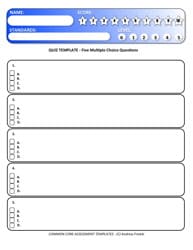

Quiz For Vocabulary Test
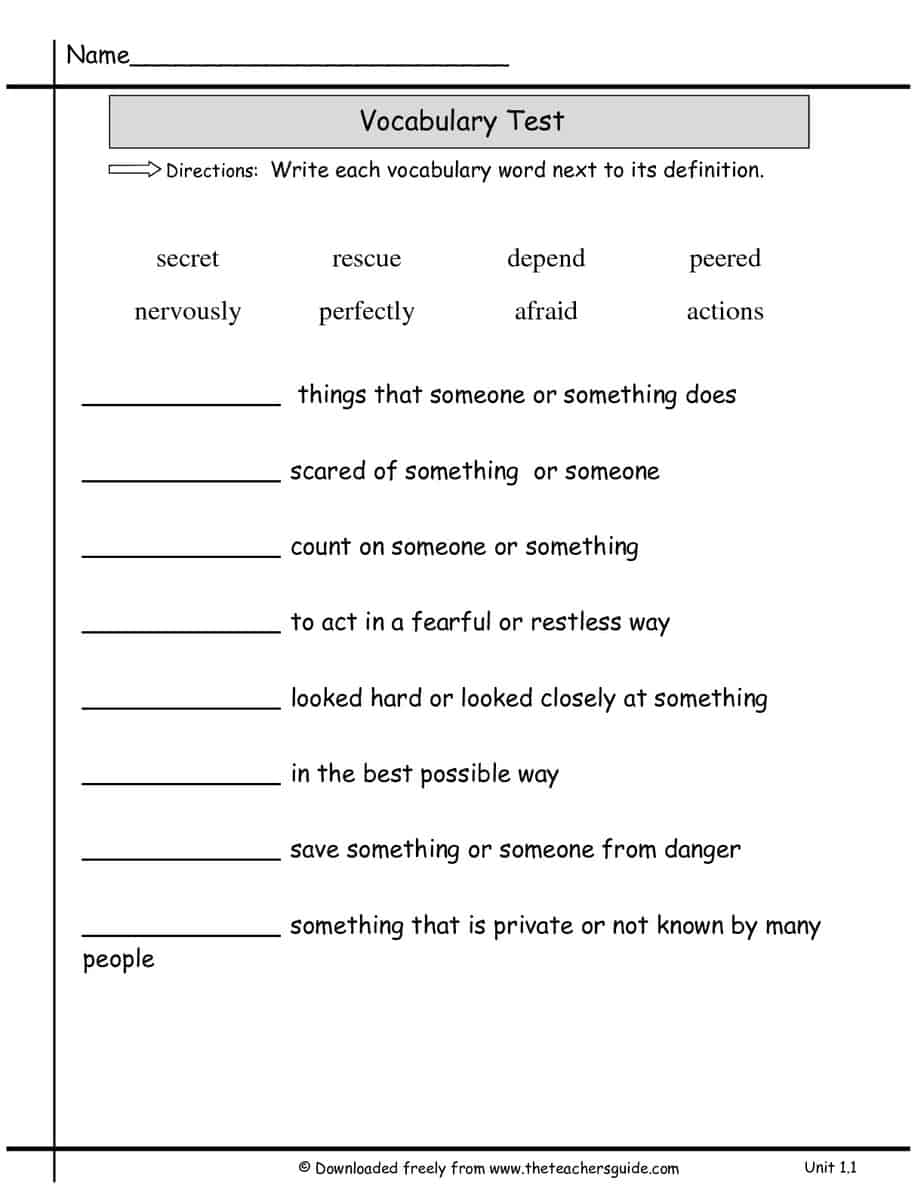
Frequently Asked Questions About Quiz template
Are these quiz template options editable?
Most files are designed as practical starting points and can be edited in the software associated with their format. Check the individual download, keep an original copy, and work in a duplicate so you can return to the unedited version if needed.
How do I choose the best quiz template?
Choose the layout that already contains the sections you need, fits your preferred software, and requires the fewest structural changes. Clarity, editing convenience, and suitability for the audience matter more than decoration.
Can I use a quiz template for business purposes?
A template can often be customized for business use, but you should review its terms and verify any legal, tax, regulatory, or industry requirements that apply to your situation before relying on the finished document.
Should I print the template or use it digitally?
Use the method that matches the workflow. Digital files are easier to revise and share; printed copies can be better for handwriting, physical signatures, display, or on-site use. Test the final format before distribution.
What should I check before sharing the finished file?
Proofread names, dates, figures, instructions, and contact details. Remove sample information and comments, test links or formulas, check page breaks, and confirm that confidential information is shared only with the intended people.
How often should the master template be updated?
Review it whenever branding, procedures, contact details, requirements, or user needs change, and schedule a periodic check even when no change is obvious. Replace outdated shared copies to prevent accidental reuse.

You must be logged in to post a comment.